
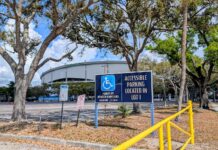













Once implemented, a new study’s recommendations will create more connected, accessible, and vibrant communities within the South St. Petersburg Community Redevelopment Area (CRA).
Pinellas Suncoast Transit Authority (PSTA) officials are now concluding the Connecting South St. Pete CRA study’s final phase. Nicole Dufva, director of planning, provided the agency’s governing board with an update on the initiative on Wednesday.
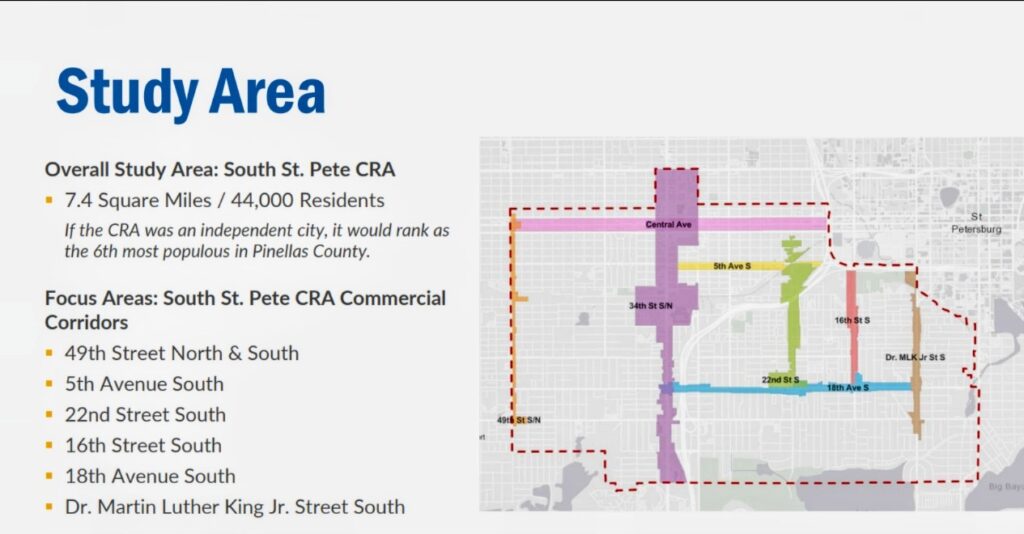
PSTA, the City of St. Petersburg, and residents worked collaboratively to identify over 150 projects that would improve walking, biking, and transit access in Pinellas County’s largest and densest CRA. The study focused on six commercial corridors and, through community feedback and data, pinpointed areas with persistent mobility issues.
“We know that all transit riders are also pedestrians, and they are bicyclists,” Dufva said. “So we know that improving mobility, regardless of mode, is a really important part of increasing transit ridership.”
PSTA received an Areas of Persistent Poverty grant from the Federal Transit Administration in 2023 to fund the study. The city, through CRA tax dollars, and the Florida Department of Transportation provided matching contributions.
Over 35% of CRA residents met federal poverty criteria in 2023, according to PSTA documents. Nearly 50% of households had one or no vehicle.
Dufva explained that PSTA incorporated the South St. Pete commercial corridors program, which launched in 2022 to fund infrastructure improvements and economic development initiatives, into the study. She said stakeholders can now leverage new funding to “actually implement” previously recommended projects.
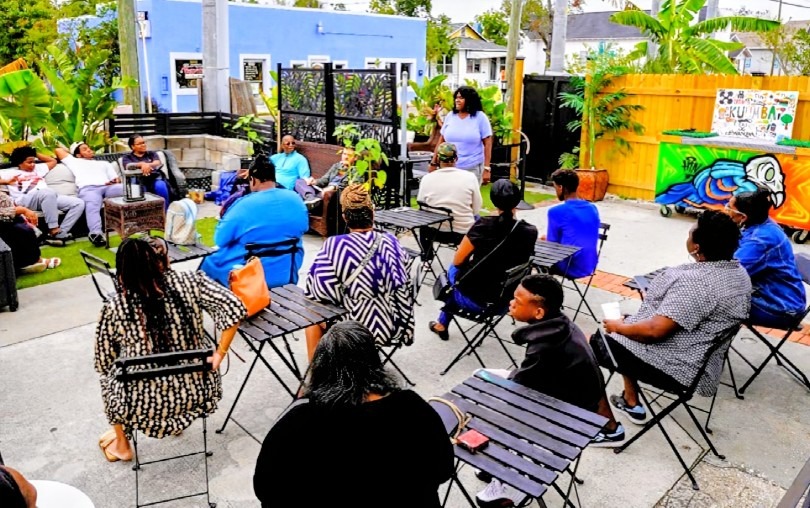
The study began on a “foundation of robust community engagement,” Dufva said. “We knew it was crucial to listen to our residents and business owners.”
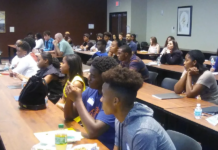
PSTA and the city reached over 300 people during the initial engagement phase, which included listening sessions where stakeholders shared their concerns and challenges. The second phase included several workshops, where participants provided suggestions for improvements to bus stops, shelters, crosswalks, sidewalks, and safety features.
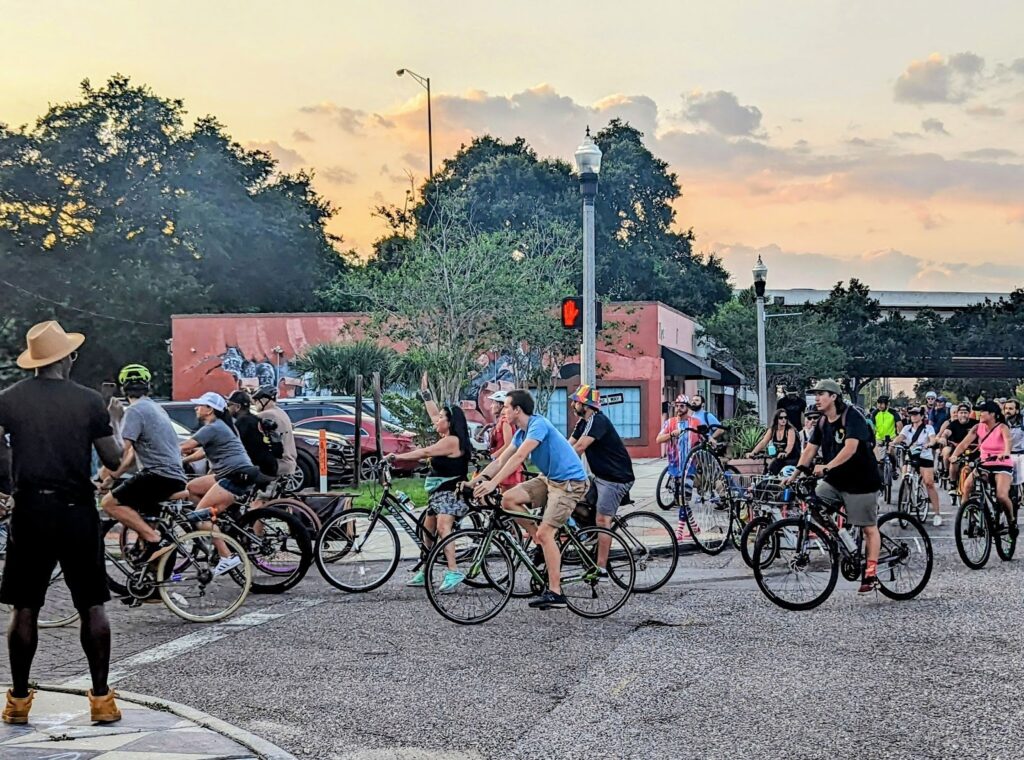
“We also hosted a slew of mobile tours – a bus tour, a bike tour, and a walking tour – so we could see on the ground what people were talking about and experiencing,” she added.
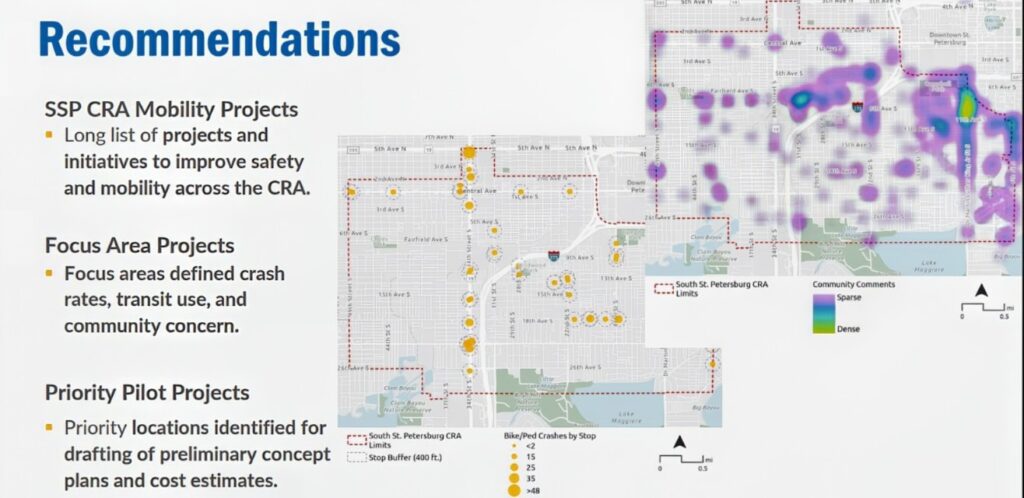
Dufva said “robust participation” in a “critical” survey allowed PSTA to pinpoint problem areas. Compiled data, two additional workshops, and another survey helped inform and prioritize a recommended project list in the third phase.
PSTA also integrated previously planned, unfunded projects. Dufva noted that including those in the study ensures eligibility for CRA and commercial corridor funding.
The commercial corridors studied include 49th Street North and South, 5th Avenue South, 22nd Street South, 16th Street South, 18th Avenue South, and Dr. Martin Luther King Jr. Street South. Dufva called the latter two “very critical areas where we saw a lot of comments and concerns.”
“A piece of the last part of this study was to conduct and provide up to 10% of the design and engineering plans for a handful of concepts,” she said. “That way, they could be ready to hand over to the city, to really kick start that funding to get to construction.”
Cheryl Stacks, parking and transportation manager for St. Petersburg, said the city has $750,000 in the upcoming budget to implement priority projects. The first priority highlighted at the initiative update on Wednesday features curb, crosswalk, and bus shelter improvements around the intersection of 18th Avenue and 21st Street South.
The second priority project includes a proposed mid-block crosswalk with a “pedestrian refuge,” and new bus stops and boarding platforms along Dr. Martin Luther King Jr. Street South, between Jasmine Terrace and 9th Avenue.
Stacks said the city is awaiting final documents from a consultancy firm, and then “working toward a potential staff referral to one of the city council committees.” Support from council members will help administrators align projects with various funding sources and “make progress toward implementation.”
“There’s a fair amount of recommendations that we’ll work through our other funding mechanisms in order to get those accomplished,” Stacks added. “We really appreciate the partnership of PSTA … This was a wonderful experience for me, personally and professionally.”
More Photos
Share Your News with Us
To share news with the Power Broker, connect with reachout@powerbrokermagazine.com. To sign up for our twice-weekly e-newsletter, visit www.powerbrokermagazine.com; and to join our online conversation, subscribe to our YouTube channel at Power Broker Media Group – YouTube.