














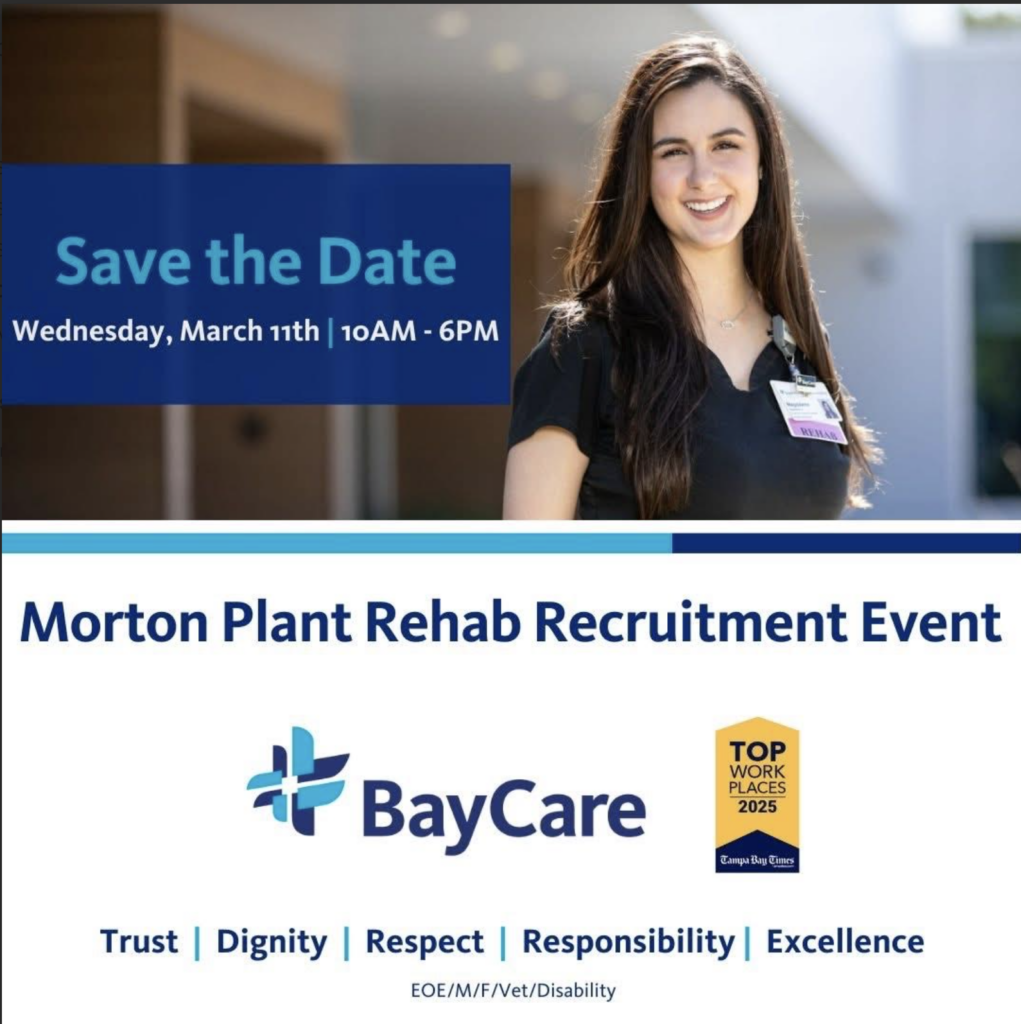
Mark your calendars and join us for this exciting recruitment event. Meet with our leadership team and learn about employment opportunities at Morton Plant Rehabilitation Center as a CNA, LPN and RN, and more!
Click Here to register!

Mark your calendars and join us for this exciting recruitment event. Meet with our leadership team and learn about employment opportunities at Morton Plant Rehabilitation Center as a CNA, LPN and RN, and more!
Click Here to register!
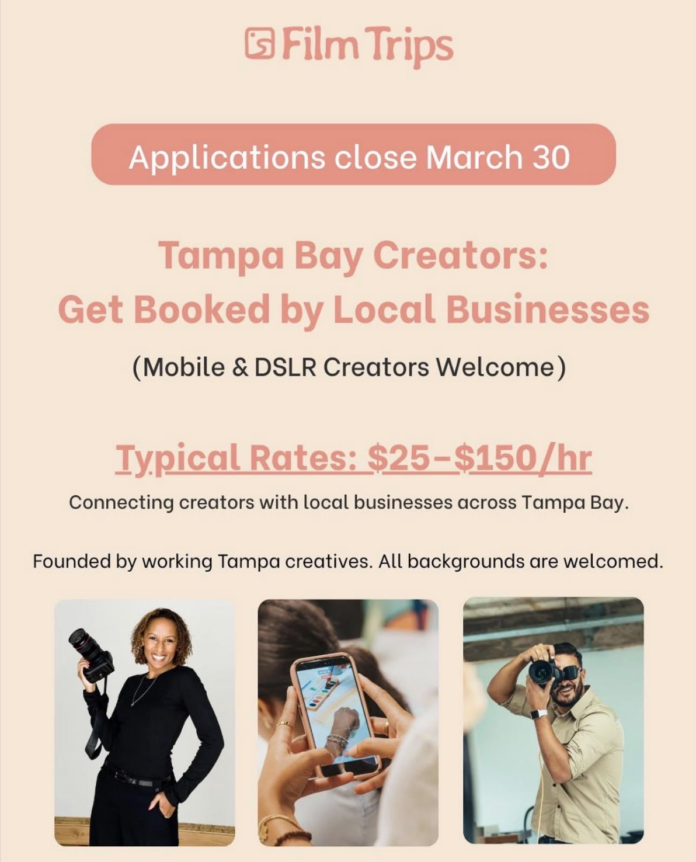
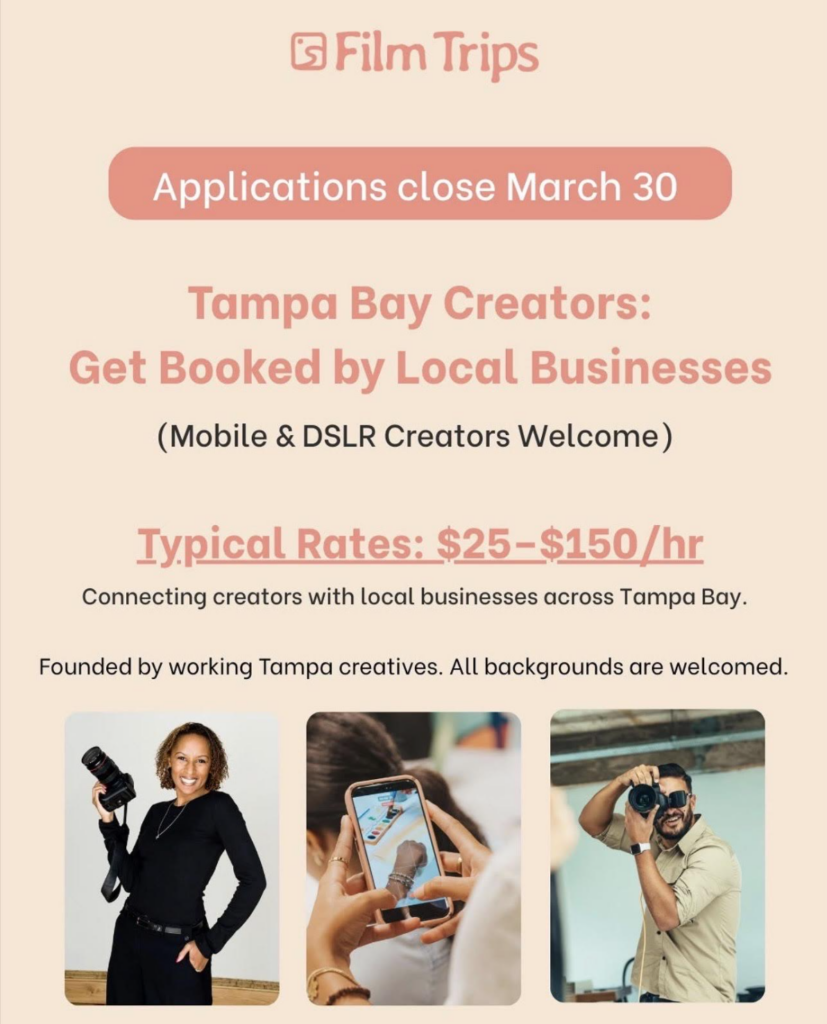
Film Trips was built on a simple belief: experiences are more powerful when they’re shared — and remembered. We work with businesses, brands, and community leaders who want to bring people together in ways that feel real and lasting.
Film Trips connects you with local creators who host or document content-driven experiences in your space.
Whether it’s a restaurant gathering, a workshop, a meetup, or a themed event, the experience comes first — and the content is built in.
Your guests stay present. The creator captures what’s unfolding naturally.
You’re left with meaningful content that reflects your culture and community.
Film Trips isn’t a production company or an agency. It’s a practical way to activate your community through experiences that live on beyond the moment.
Click Here for more information!
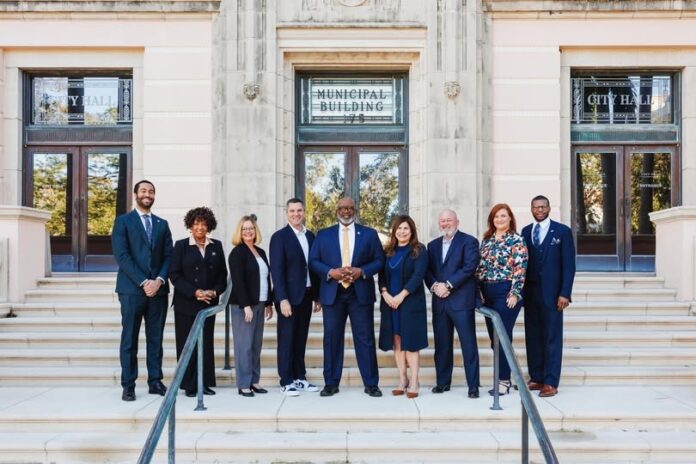
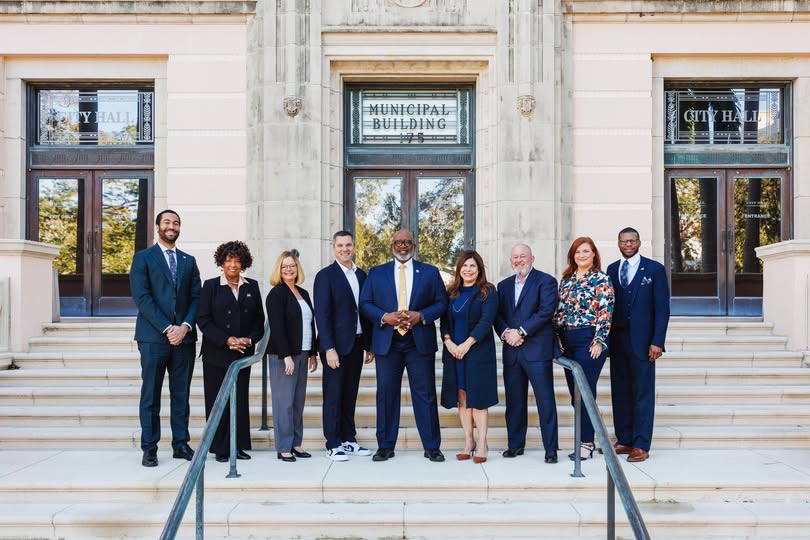
From left: St. Petersburg City Councilmembers Richie Floyd, Deborah Figgs-Sanders, Gina Driscoll, Copley Gerdes, Mayor Ken Welch, Council Chair Lisset Hanewicz, Mike Harting, Brandi Gabbard, Cory Givens Jr. Photo: City of St. Petersburg.
St. Petersburg Mayor Ken Welch sent a letter to state leaders on Thursday denouncing legislation that would effectively ban any actions related to diversity, equity, and inclusion. He also asked the city council to sign an identical missive.
Welch said both were prompted by the “rapid advancement” of House Bill 1001 and Senate Bill 1134. His subsequent prepared statement notes that the legislation, as drafted, would “substantially preempt local authority, invalidate locally adopted policies and expand state power with the ability to discipline local elected officials.”
While council members agree with that assessment, some bemoaned the timing of Welch’s request to unite in opposition. His memo, sent on Thursday morning, asked that they sign an accompanying letter by the end of the day.
Multiple council members expressed their frustration during an already contentious discussion on what they perceived as an inadequate response to the state removal of five street murals in late August and early September. All who addressed Welch’s request on Thursday, including those who appreciated the opportunity, said they preferred to issue their own statement.
“We have a very clear process,” said Councilmember Brandi Gabbard. “That process was not followed, and there was a missed opportunity for real unity to stand together against this type of legislation.”
Councilmember Deborah Figgs-Sanders was also caught off-guard by the memo, which she hadn’t read until the topic was broached at a Committee of the Whole meeting. Welch wrote that preempting local diversity, equity, and inclusion (DEI) efforts would “impede our ability to respond to community needs, create operational uncertainty, and weaken public trust in government.”
Figgs-Sanders said the accompanying letter included “a couple of words that I truly would not have used.” She noted that withholding her signature “doesn’t mean I don’t agree with it.”
“I’m going to continue with my original plan to do something with the other (unnamed) organization,” Figgs-Sanders added. “But I appreciate it, and I’m glad that we as a city are sending this letter, because it is a bill that would be very detrimental to the culture …”
HB 1001 and SB 1134 were filed on Jan. 5. Lawmakers have amended both several times, and Assistant City Attorney Ben James said the language could continue to evolve.
If passed, the legislation would prohibit municipalities from funding or promoting, whether directly or indirectly, any action related to DEI initiatives. The bill would also void current ordinances, resolutions, rules, regulations, programs, and policies.
The legislation allows residents to “bring an action in court” against local governments for non-compliance, James said. Councilmember Richie Floyd called the bills an attack on “literally every community.”
Floyd said the legislation’s vagueness would make him wary of supporting “any cultural, ethnic, religious event at all, for fear of being removed from office.”
“I think the letter is fine,” said Floyd, who has already issued his own statement. “It’s not what I think is the most effective message, but I understand that’s been the administration’s messaging, so it’s fine.”
Welch’s letter – and the one with space for city council signatures – was addressed to Gov. Ron DeSantis, Senate President Ben Albritton, and House Speaker Daniel Perez. It states that the bill provisions “represent an unprecedented intrusion into municipal governance and a direct challenge to Florida’s constitutional principle of home rule.”
“St. Petersburg’s inclusive policies are not symbolic gestures; they are practical tools of governance,” Welch wrote. “They strengthen public health outcomes, improve workforce recruitment and retention, enhance public safety, and ensure equitable access to city services.”
Gabbard, who has said she will run against Welch in the upcoming mayoral election, believes the city’s legislative committee should have discussed his letter last week. The full council could have voted on a resolution later that day.
“I will not be signing on to this letter, and it is not because I do not support opposition to these bills,” Gabbard continued. “I very clearly believe these bills are harmful to local governments and the people we serve.”
If signed into law in June, the legislation would take effect on Jan. 1, 2027. Councilmember Gina Driscoll said responses to the erased street art, which included “Black History Matters” and Progressive Pride Flag murals, will likely lack staying power.
Driscoll advocated for improving communication and closely tracking the legislation as it moves through the House and Senate. Councilmember Corey Givens Jr. believes the city can identify ways to express unity that will not draw the state’s ire.
He also noted that “time is of the essence.” After the meeting, HB 1001 cleared another state committee. SB 1134 is rapidly approaching a floor vote; DeSantis has lauded the companion bill and would sign it into law if it reaches his desk.
In his letter, Welch said he recognized the Legislature’s authority to set statewide standards. However, the bills go “far beyond uniformity.”
The legislation would “restrict local problem-solving, chill lawful civic engagement, and weaken democratic accountability by shifting power away from voters and toward centralized state control,” Welch wrote.
To share news with the Power Broker, connect with reachout@powerbrokermagazine.com. To sign up for our twice-weekly e-newsletter, visit www.powerbrokermagazine.com; and to join our online conversation, subscribe to our YouTube channel at Power Broker Media Group – YouTube.


The Center for Coastal Resilience would replace an underutilized parking lot, which is temporarily housing a yacht, at Port St. Petersburg. USF’s College of Marine Science (background) has advocated for the facility. Photos by Mark Parker.
Long-discussed plans to expand on the Maritime and Defense Technology Hub’s success have received the first of three critical approvals. St. Petersburg voters will likely have the final word.
A city council committee enthusiastically agreed to ballot referendum language on Thursday that would allow 25-year leases at Port St. Petersburg. The city-owned facility’s underutilized surface parking lot, adjacent to the hub, could eventually house a Center for Coastal Resilience.
Previously known as Hub 2.0, the center would provide critical waterfront space for resiliency, research, and technology-focused government agencies, businesses, and academic institutions in St. Petersburg’s Innovation District, which would operate both facilities. The approximately $30 million project would not require city subsidies.
However, the city only permits 10-year leases at the port. Alison Barlow, CEO of the Innovation District, and vice president Jason Mathis, CEO of the St. Petersburg Downtown Partnership, previously requested a 50-year term.
A longer lease would help the two secure federal funding and raise private capital. Mathis said he and Barlow were “very supportive” of cutting their request in half.
“I don’t know anyone in the room that doesn’t like the 25-year idea,” Mathis added. “So, we’re very happy with that.”
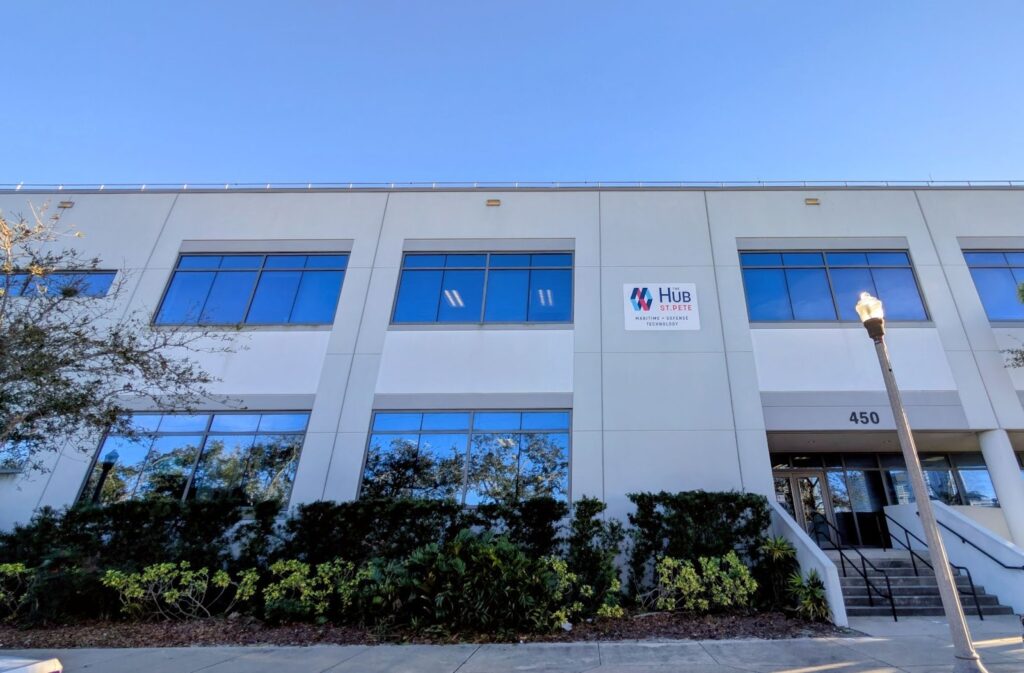
The city-owned Maritime and Defense Technology Hub is at 450 8th Ave. SE in St. Petersburg’s Innovation District.
Voters, following the full city council’s approval, will ultimately decide if the hub’s long-awaited sister facility comes to fruition. Public and private stakeholders agree that the 50,000-square-foot Center for Coastal Resilience would be a boon to St. Petersburg’s marine-based economy.
The Innovation District already boasts 1,900 marine science employees and an annual local economic contribution of $540 million. USF’s College of Marine Science anchors an industry cluster with over 30 private companies, research organizations, academic entities, and government agencies.
Barlow found immediate success when she opened the hub in January 2022. The 32,000-square-foot, at-capacity facility houses 20 tenants and supports 87 full-time and 132 secondary jobs.
On average, full-time employees at the hub earn $91,500 annually, Barlow said. In addition to attracting new businesses and organizations, the Center for Coastal Resilience would enable current tenants, including Saildrone and the state-sponsored Florida Flood Hub for Applied Research and Innovation, to expand operations.
Mathis noted that an independent consulting firm completed a feasibility study. The summation, he said, was that “there is indeed a great need for this.”
The study was a requirement to receive an estimated $16 million to $18 million in federal funding. Mathis also believes the Florida Ports Council, with the city’s sponsorship, will contribute between $10 million and $12 million to the project.

A rendering of the 50,000-square-foot Center for Coastal Resilience, which would connect to the Maritime and Defense Technology Hub (left). Image: City documents.
Pinellas County’s Employment Sites Program will likely offer $2 million or $3 million, Mathis said. “There should be very significant public sector support to help build this facility.”
“The facility will be successful,” Mathis pledged. “We believe it will be fully occupied, based on the experience of the existing Maritime and Defense Technology Hub and current office vacancies in downtown St. Pete.”
Barlow said the center would provide collaborative workspaces and a rooftop meeting area that could generate additional revenue and feature solar panels. She called waterfront access within a secure port the center’s “unique differentiator.”
The city council will now schedule two public hearings on an ordinance amendment that will facilitate a 25-year lease. If approved, the referendum would appear on ballots in November.
“It’s really exciting to me that we are at this point and moving forward with something that is going to really boost our profile in marine science and resilience,” said Councilmember Gina Driscoll, a longtime proponent. “And create a lot of jobs in the process.”
To share news with the Power Broker, connect with reachout@powerbrokermagazine.com. To sign up for our twice-weekly e-newsletter, visit www.powerbrokermagazine.com; and to join our online conversation, subscribe to our YouTube channel at Power Broker Media Group – YouTube.

Renting rooftop space could generate additional revenue. Image: City documents.

The Maritime and Defense Technology Hub and Center for Coastal Resilience would share a new parking garage with Albert Whitted Airport (right). Image: City documents.
Alison Barlow, CEO of the St. Petersburg Innovation District, said the new facility could feature a sphere created by the National Oceanic and Atmospheric Administration that uses “high-tech cameras” to display educational programming. Image: City documents.
An example of collaborative work spaces. Image: City documents.


Photo Credit Isis Climes: Black English Bookstore lobby area
Hillsborough County connects local readers to a curated literary treasure in Tampa Heights. Late Tampa City Councilwoman Gwendolyn Henderson created Black English Bookstore with the vision to “amplify voices” and pay tribute to “the ancestors who were unable to read and write.” Her daughter, Ariel Amirah, continues her legacy today as the owner of the Black-owned bookstore.
Black English Bookstore opened in December of 2023 in a 732 sq. ft. storefront with 2,000 books. As of now, the store holds more than 3,000 works, including curated selections from independently published authors. Although the store was founded by Henderson, both mother and daughter co-owned it. Since her mother’s passing, Amirah has carried the torch by giving the gift of book ownership to the local community.
“Luckily, I didn’t have to step in suddenly — my involvement in the bookstore was integral to our success from the very beginning. That continuity has made carrying our mission forward feel natural,” said Amirah.
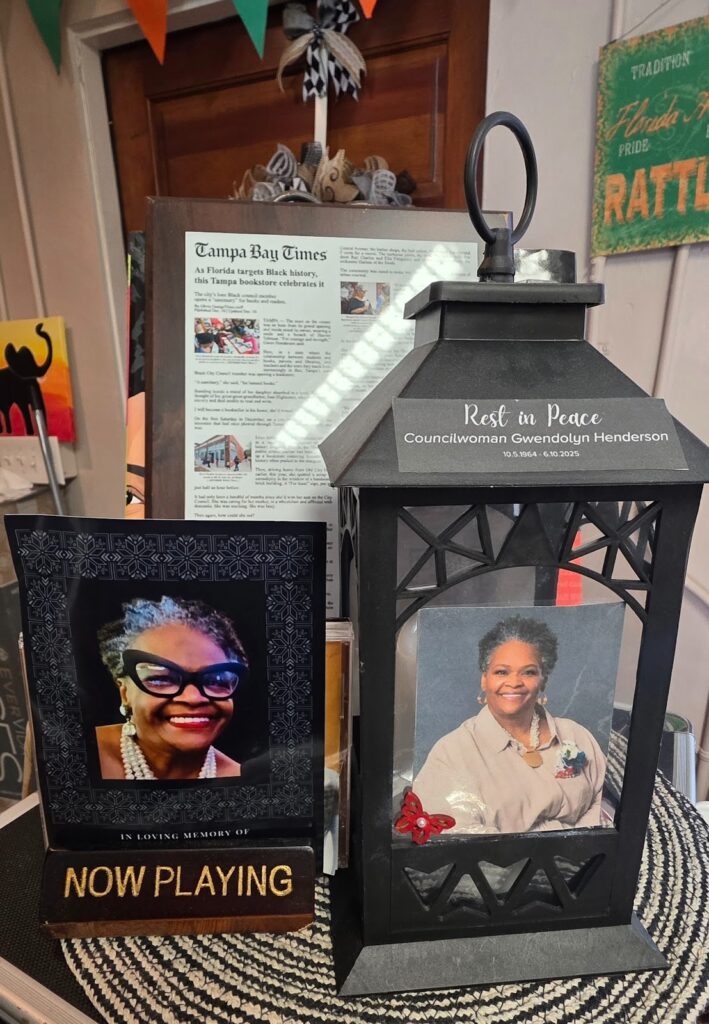
Photo Credit Isis Climes: Black English Bookstore Founder Gwendolyn Henderson
Title sections range from “Black English: Talk & Testify,” “Set the Table Cookbooks,” and “Mind Ya Business: Health – SelfCare – Career – Finances.” The literary selections offer genres from sci-fi to romance, poetry to essays, memoirsto politics, and more.
“Our collection is intentionally curated and centered on Black authors, guided by a selection criterion created by my mother that we still adhere to today,” stated Amirah.

Photo Credit Isis Climes: Black English Bookstore reading selections
This woman-owned bookstore has added Tampa to the 8% of independently Black-owned bookstores nationwide. Amirah has seen steady sales growth since the shop’s opening two years ago. She notes one of the reasons for the rising sales: the intentionality put behind their selections.
“We’ve experienced steady year-over-year growth in book sales, with noticeable spikes tied to community events, curated bundles, and key cultural moments. When representation is authentic, Black books sell consistently across all genres, not just during designated moments,” said the literacy lover.
Readers like Leynoree Nelson travel from all over to visit the shop. Nelson was stuck between Charles B. Francher’s Red Clay and The Personal Librarian by Marie Benedict and Victoria Christorpher Murray – she chose the latter.
“I live in Plant City and drive all the way over here for the bookstore,” exclaimed Nelson.
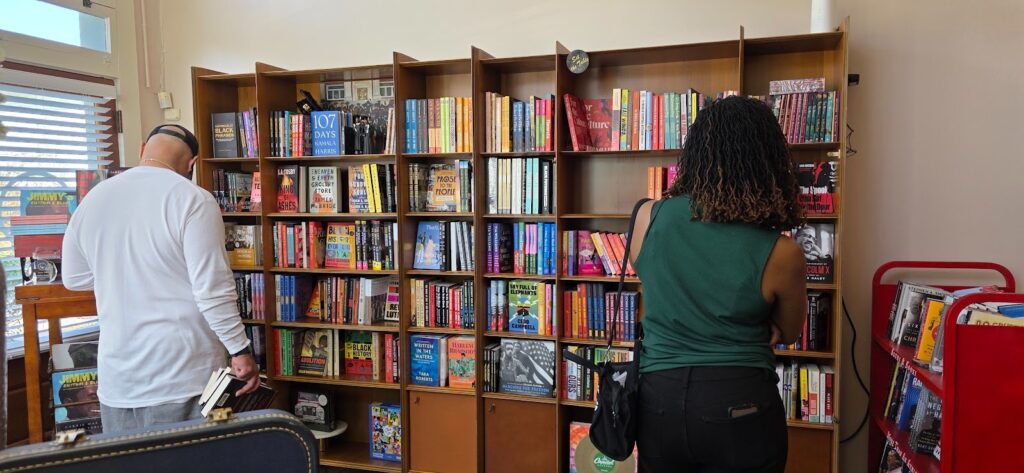
Photo Credit Isis Climes: Readers looking at books; Leynoree Nelson (left)
Beyond the books, Amirah engages with her community through pop-up events at her store. Most recently, the bookshop held a Valentine-themed event, “Love in Tote-Tality,” a tote-filled bundle that included a shirt, candle, affirmation card deck, and self-love workbook, among other treats. In addition to hosting events, she also strategizes networking to incorporate future partnerships and connections for the local shop. The bookstore owner attended the American Booksellers Association’s 21st Annual Winter Institute this past month.
“Attending the American Booksellers Association’s Winter Institute allowed me to connect with other Black booksellers, discuss the state of Black bookstores on a national level, and sharpen best practices within the industry,” Amirah said.
Black English Bookstore is open Wednesday through Saturday, 11 AM to 6 PM, and Sunday, 1 PM to 5 PM. If you’re a local self-published author interested in partnering with the store, check out their website for criteria and guidelines to have your book sold in their store!
To share news with the Power Broker, connect with reachout@powerbrokermagazine.com. To sign up for our twice-weekly e-newsletter, visit www.powerbrokermagazine.com; and to join our online conversation, subscribe to our YouTube channel at Power Broker Media Group – YouTube.

Photo Credit Isis Climes: Patrons walking around the bookstore.

Photo Credit Isis Climes: Table showcasing reading selections.

Photo Credit Isis Climes: Bookshelf filled with a variety of titles.


Alex Palou (right) won the 2026 Firestone Grand Prix of St. Petersburg in dominating fashion. Christian Lundgaard (center) finished third. Photos by Mark Parker.
Nikita Johnson climbed another rung up IndyCar’s developmental ladder in thrilling fashion on Sunday by claiming a victory at his hometown Firestone Grand Prix of St. Petersburg.
The St. Petersburg native, 17, took the checkered flag by .69 of a second to secure his first win in the INDY NXT circuit. Max Taylor, 18, finished second.
Johnson, racing for Cape Motorsports, overtook Taylor on the first turn of the first lap and never relinquished his lead. Sunday morning’s victory was Johson’s third on the streets of St. Petersburg – the Gulfport resident previously won USF2000 (2023) and USF Pro 2000 (2024) at the Grand Prix, and is now another step closer to joining the NTT IndyCar Series.
“I can’t thank the boys from Cape Motorsports enough and everyone from ECR who has been helping us,” Johnson said. “It’s a pretty amazing feeling to get my first win in Indy NXT and Cape’s first win in Indy NXT. I can’t wait to see all my friends and family.”

Nikita Johnson at a Grand Prix preview event in February.
Kim Green, CEO of Grand Prix organizer Green-Savoree Racing Promotions, noted in February that the four-day festival is “more than a race these days.” In 2025, an estimated 165,000 people attended the Sunday finale.
“It’s amazing to see all the race fans on the weekend and all the tourists come into town, and just watch one of the greatest races on the calendar,” Johnson said at the event in February.
While Green-Savoree doesn’t release official attendance numbers, the 2026 Grand Prix may have set a new record. For the first time in its history, the NASCAR Craftsman Truck Series battled on a street course between the IndyCar action on Saturday.
Mayor Ken Welch has called the Grand Prix a postcard for St. Petersburg. Fox, now in its second year of covering the IndyCar Series, broadcast the event to over 200 countries.

NASCAR trucks took to the streets of St. Petersburg for the first time on Saturday.
Those who attended the event were treated to sunny skies and temperatures in the mid-70s. They also watched as Alex Palou continued dominating IndyCar.
Palou picked up his second consecutive win in St. Petersburg on Sunday and his 20th overall in just 99 starts. The Spaniard’s 12.49-second victory for Chip Ganassi Racing set a new Grand Prix record.
Scott McLaughlin, who secured pole position on Saturday for Team Penske, finished second in the IndyCar series opener. Palou, who started fourth, noted that he “had an amazing car today.”
“This team keeps on improving, keeps on making new changes, and they just keep on raising the bar,” Palou said. “It’s pretty impressive. It’s a long season in front of us, but what a great way to start the season.”

A temporary yacht club between the Mahaffey Theater and Dali Museum.
The city and local organizations were also winners. A previous Visit St. Pete-Clearwater study found that the Grand Prix generates an economic impact of over $60 million and more than 15,000 overnight stays.
Coming into race week, an annual 5k run on the track, held on Thursday evening, has raised $423,265 for the Police Athletic League of St. Petersburg since 2017. Fox’s inaugural broadcast of the 2025 Grand Prix delivered 1.42 million viewers, a 45% spike over the previous year.
Those who tuned into the 2026 race caught views of the downtown waterfront, a temporary yacht club, and local institutions, including the Dali Museum. Welch, at the track-build event in early February, called the exposure “invaluable, in terms of marketing.”
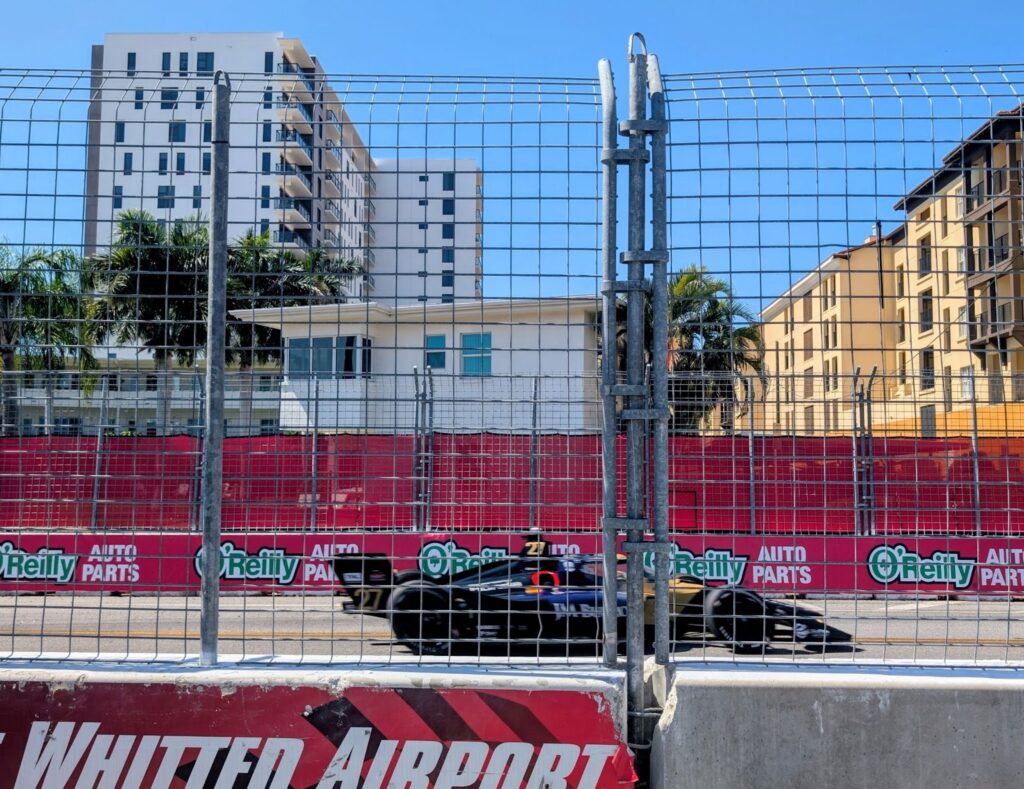
Fox broadcasted the race to over 200 countries.

Pit crews push an IndyCar into the Mahaffey Theater’s parking garage.

Fox also broadcasted the NASCAR Craftsman Truck Series race on Saturday.

Packed viewing areas at the 2026 Firestone Grand Prix of St. Petersburg.
To share news with the Power Broker, connect with reachout@powerbrokermagazine.com. To sign up for our twice-weekly e-newsletter, visit www.powerbrokermagazine.com; and to join our online conversation, subscribe to our YouTube channel at Power Broker Media Group – YouTube.
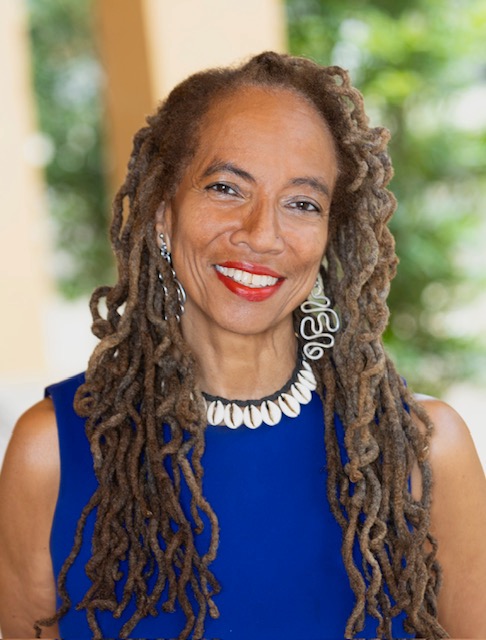
Professor Judith A.M. Scully has taught at Stetson Law since 2009 and has built her career around racial equity, criminal justice reform, and preparing students to lead with purpose. The Truth Tellers Scholarship Fund was established in her name to continue that work and support future attorneys committed to justice. Photo courtesy of Judith Scully and Steston Law School.
Stetson University College of Law has established the Professor Judith Scully Truth Tellers Scholarship Fund, a new initiative recognizing decades of leadership in legal education and advocacy.
The scholarship honors Judith Scully’s sustained work advancing racial equity, challenging wrongful incarceration, and promoting human rights, while investing in students prepared to continue that legacy.
Inspired by civil rights leader Ida B. Wells, the scholarship was created to introduce students to her life and fearless commitment to truth, while helping close financial gaps that can limit access to legal education for low- and middle-income students.
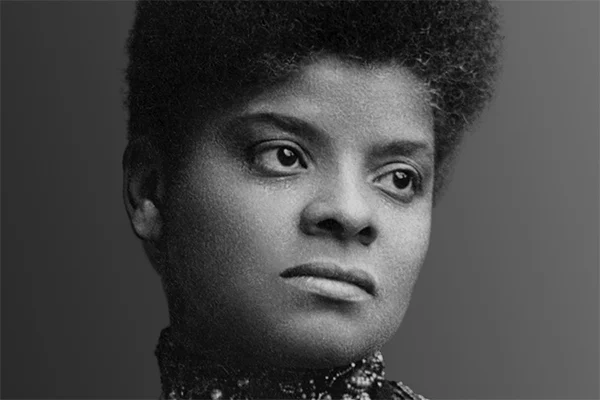
Ida B. Wells-Barnett (1862–1931) was an investigative journalist, educator, and early civil rights leader born in Holly Springs, Mississippi, who later became a co-founder of the NAACP. The Truth Tellers Scholarship Fund draws inspiration from her fearless reporting on racial injustice and her lifelong commitment to truth and equality. Image retrieved from usmint.gov
Professor Judith A.M. Scully joined Stetson Law in 2009 and teaches criminal law, criminal procedure, trial advocacy, and courses examining race and the legal system. A law professor since 1996, she previously represented civil rights plaintiffs and criminal defendants in private practice.
At Stetson, she founded and co-directs the Social Justice Advocacy Certificate of Concentration, has led the Stetson Law Innocence Initiative, and serves as President of the St. Pete Truth, Racial Healing and Transformation (TRHT) Center.
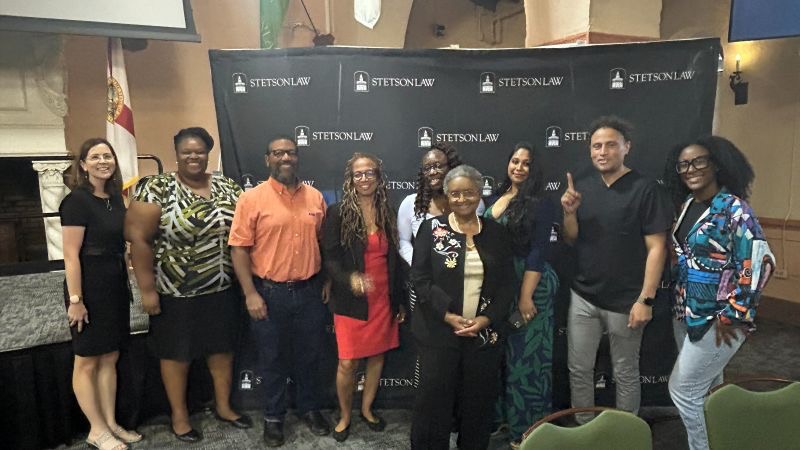
Prof. Scully with TRHT students and members after a civil rights presentation by Dr. Sybil Hampton. Photo courtesy of Judith Scully.
“The way to right wrongs is to turn the light of truth upon them,” Scully said, quoting Ida B. Wells. She said that focus on truth guides her work in legal reform, community engagement, and the training of students who are prepared to challenge injustice both inside and outside the courtroom.
Scully traces her commitment to justice back to her time in law school, where she encountered attorneys from the National Conference of Black Lawyers whose work in civil rights and human rights advocacy shaped her understanding of what legal responsibility demands.
Through that work, she became involved in international human rights efforts, including advocacy connected to South Africa’s transition from apartheid to democracy. Those experiences, she said, reinforced her belief that law must be used to confront inequity, not reinforce it, and that students must be prepared to recognize the difference.
“My goal is to do my part to dismantle policies, practices, and procedures that embed inequity in our lives and to make sure that my students understand that they too have the power and skills to do the same,” Scully said.
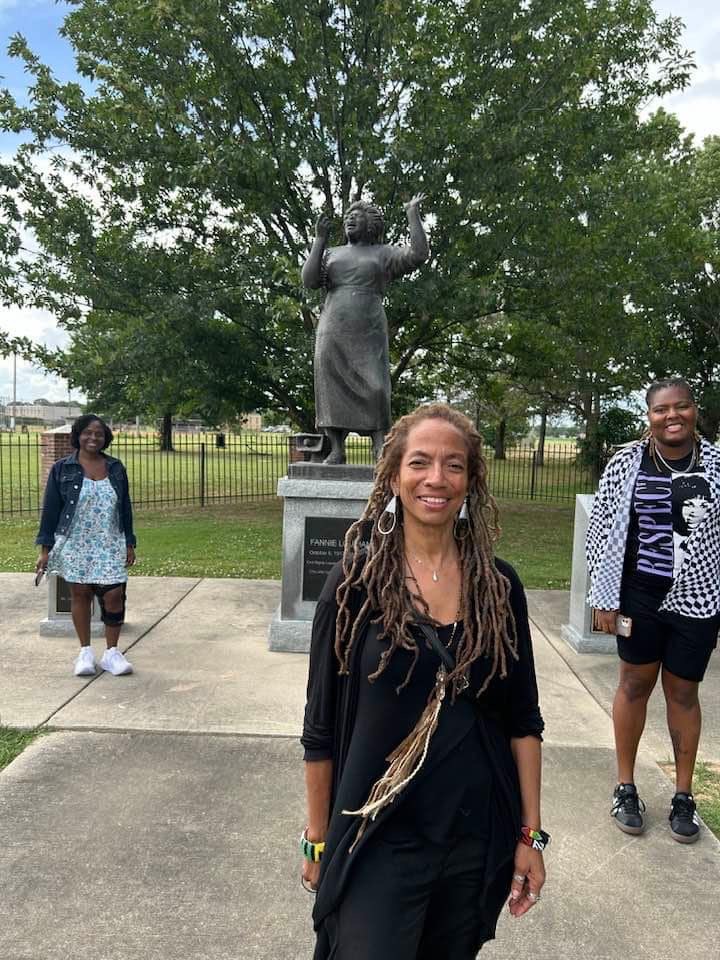
Professor Scully at Fannie Lou Hamer statute in Ruleville, Mississippi, with law students Zenea Johnson and Shantanice Vaxter. Photo courtesy of Judith Scully.
That philosophy, centered on courage and accountability, is what ultimately shaped the vision for the Truth Tellers Scholarship Fund.
That philosophy resonated with Stetson Law alumnus Diriki T. Geuka ’17, who created and funded the scholarship in Professor Scully’s name. Geuka said his decision was influenced both by her impact on his legal education and by recent federal changes limiting how much students can borrow to finance graduate and professional school.
“My focus is on supporting fearless attorneys of all disciplines,” Geuka said. “When the weight of the government or an opposing party comes down on you or a loved one, the only friend you truly have is your attorney, and you don’t want that attorney to be hesitant to do what it takes to defend you.”
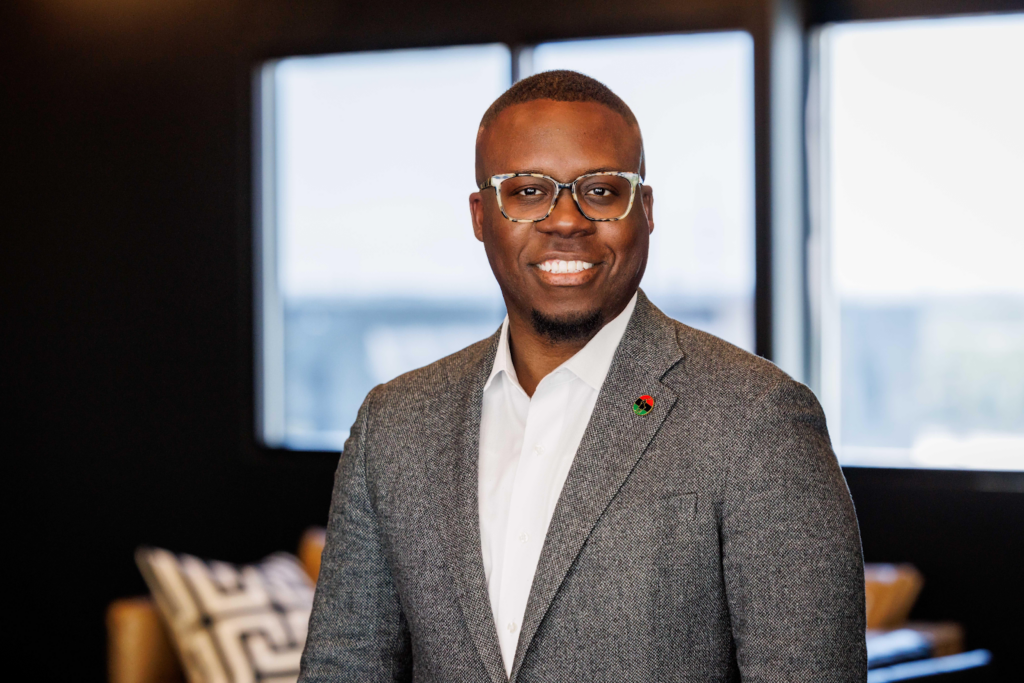
Stetson Law alumnus Diriki T. Geuka ’17 created the Truth Tellers Scholarship Fund to support students pursuing justice-focused legal careers. Image courtesy of Gueka.
Geuka credits scholarship support with making law school possible for him and sees this fund as a way to create that same opportunity for future students.
“I want to pay it forward and make law school more affordable for current and future students,” he said. “Stetson Law produces the best oral advocates in the world, and this is an effort to keep that world-class education attainable for students who embody the fearlessness of Ida B. Wells-Barnett.”
Professor Scully agreed with that focus on access.
“Diriki and I are hoping that this scholarship will help low- and middle-income students complete their education,” Scully said. “It is our hope that this scholarship will help close that gap for at least a few students.”
Students applying for the scholarship are required to submit an essay identifying a legal practitioner or organization that carries forward Wells-Barnett’s legacy of fearless truth telling. Open to all current Stetson Law students, the award is designed to prompt serious reflection on how the law can be practiced in ways that advance equity rather than reinforce imbalance.
To contribute to the Professor Judith Scully Truth Tellers Scholarship Fund, visit the Stetson Law giving page and select “other designation,” entering the scholarship name in the text field. Donate here: https://hubs.ly/Q044fJt50
To share news with the Power Broker, connect with reachout@powerbrokermagazine.com. To sign up for our twice-weekly e-newsletter, visit www.powerbrokermagazine.com; and to join our online conversation, subscribe to our YouTube channel at Power Broker Media Group – YouTube.
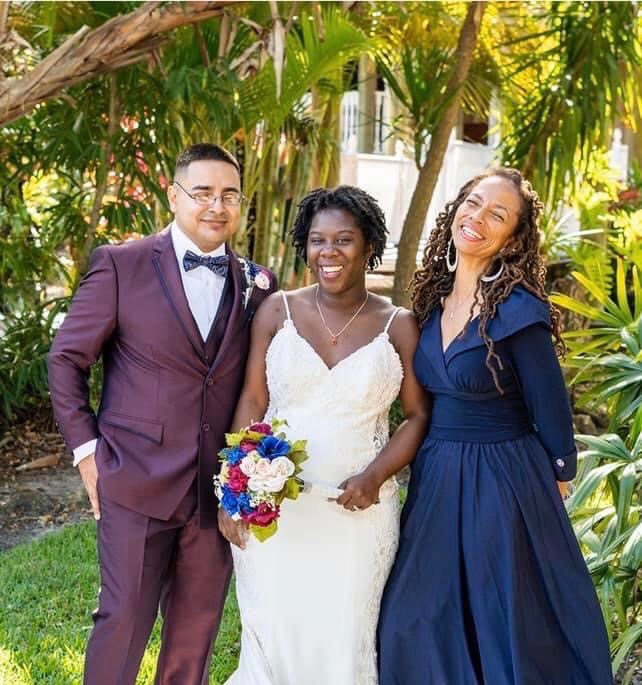
Dr. Scully officiating wedding of two students. Photo courtesy of Judith Scully.
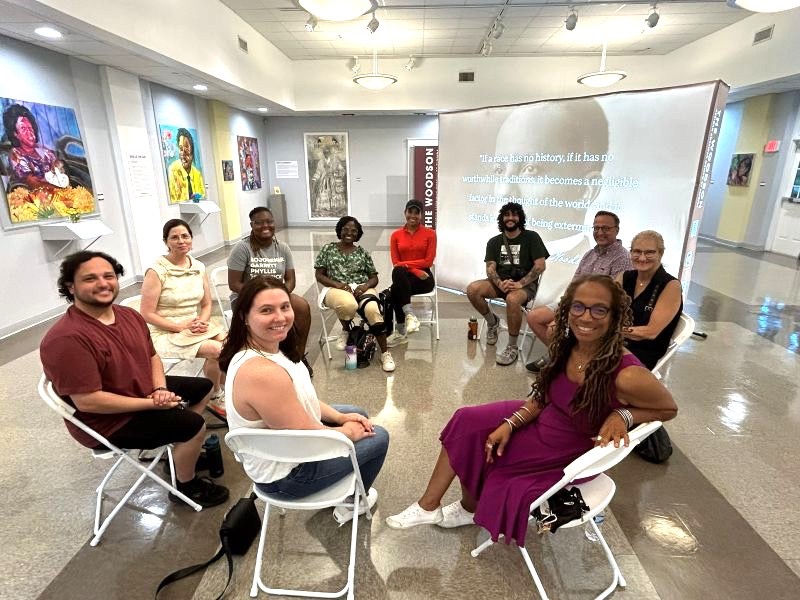
Dr. Scully with civil rights class at the Woodson African American Museum of Florida.


Photo Credit: Celeste Roberts; Youths at the Skills Center
A youth center in Hillsborough County is changing the way after-school programs function with its state-of-the-art sports facility. Co-founder and CEO of The Skills Center, Celeste Roberts, is helping pave the way for students to successfully navigate the workforce through youth development programs.
“We are a sports-based youth organization that uses the power of sports to create change around education, health, and the workforce,” stated Roberts.
The Skills Center is a non-profit organization dedicated to creating academic and leadership skills through the power of sports. Founded in 2006 by Roberts, Chris Ward, and John Arroyo, the nonprofit operated without a dedicated center until June 2024, when they opened the now fully functional state of the art facility. In her position, Roberts provides strategic leadership and vision for the organization.
The youth center project was originally slated for $13 million, but with inflation and rising costs, it totaled to $25.5 million by the end of production. The Skills Center hosts a combination of educational and sports-related venues, including a basketball court, a culinary kitchen, a college career center, and multiple classrooms.

Photo Credit: The Skills Center’s Facebook; youths in a culinary class.
The physical center was strategically planned to combine areas for physical activity while providing spaces for educational opportunities, such as college prep. The collaborative space provides a way to connect youth development to the workforce. Its services differ from traditional aftercare in that their programs are offered throughout the day rather than scheduled for the afternoon. The Skills Center is open to students during the day, after school, in the evening, and additionally allows students to schedule workshops that fit their calendars (e.g., ACT/SAT Prep classes).
Roberts’ vision was to create a place where multiple organizations could collaborate, expand programming to leverage knowledge and resources, and have a greater impact on youth.
“It’s really about helping our kids get on a pathway. Whether they’re going to college, pursuing vocational training, entering full-time employment, or joining the military, kids come in for youth development. Our intention is for them to be able to create a path to lifelong success,” Roberts said.
Accessibility to the youth’s sports center was a top priority. The location was purposely built in the middle of Hillsborough’s Area Regional Transit (HART) bus routes. The HART bus line runs from South County to North Tampa, providing students near and far with operational transportation.
Through their partnership with Hillsborough County Schools, the location has secured a bus stop in front of the building. In addition to the transit system, the facility secured three passenger vehicles (one 25-passenger and two 15-passenger vehicles).
“A part of our work is how we think strategically to eliminate barriers that prevent kids from accessing things, and transportation is just one of those things. Not only for our kids, but for our city,” Roberts said.

Photo Credit: The Skills Center’s Facebook; youths stretching.
The Skills Center’s department served a total of 3,400 youth through programs and events in 2024. Since its opening, they’ve tripled in staff and more than doubled in contractors and vendors since 2024. The non-profit has also secured two grants ($1.4 million and $1.5 million) through The Collab, a five-core partnership of organizations that contribute to the overall mission of the youth center. The Collab includes Men of Vision, Girls Mentally Empowered for Success (GEMS), G3 Life Applications, and the CDC of Tampa (Corporation to Develop Communities)
“We wanted to be creative and strategic and figure out a way to bring in the money that we need to make sure that our kids get the services they need,” said Roberts.
Roberts is eager to celebrate their 20th anniversary next year. Beginning January 2027, the Skills Center will host small celebratory events leading up to their annual SNKR Ball in March to celebrate their anniversary.
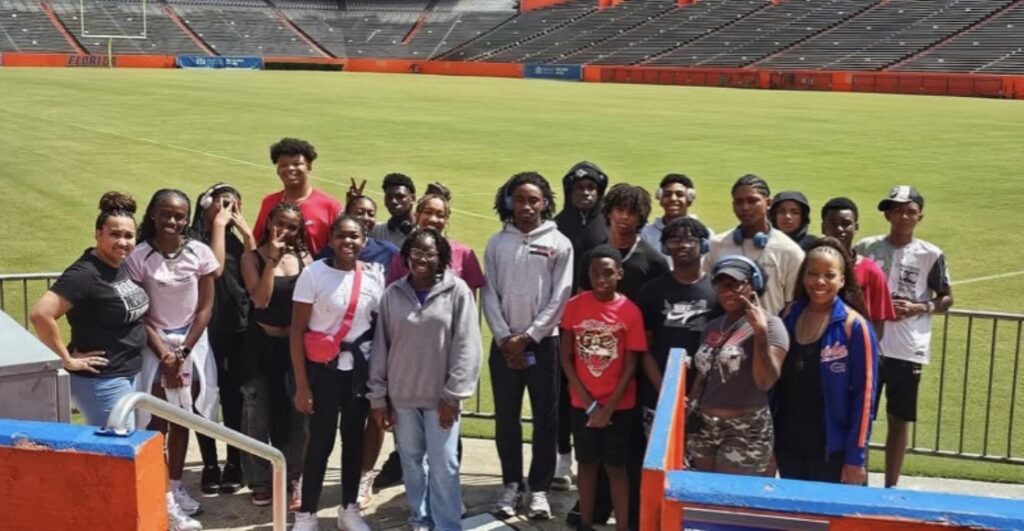
Photo Credit: The Skills Center’s Facebook; youths visit the Lee Chira Family Heisman Plaza.
To share news with the Power Broker, connect with reachout@powerbrokermagazine.com. To sign up for our twice-weekly e-newsletter, visit www.powerbrokermagazine.com; and to join our online conversation, subscribe to our YouTube channel at Power Broker Media Group – YouTube.
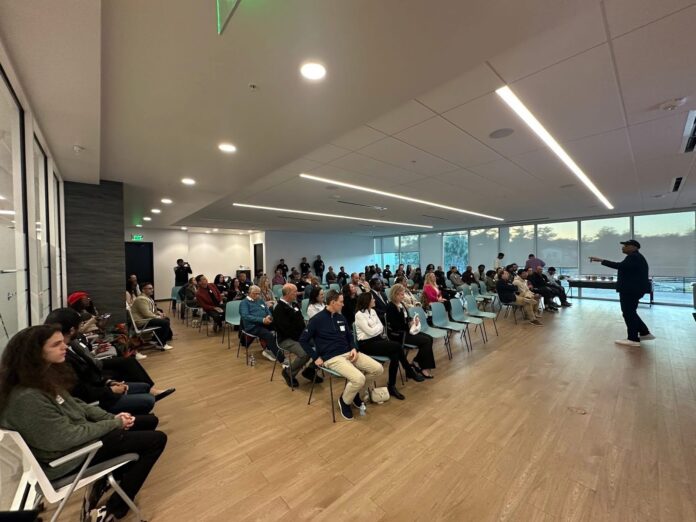
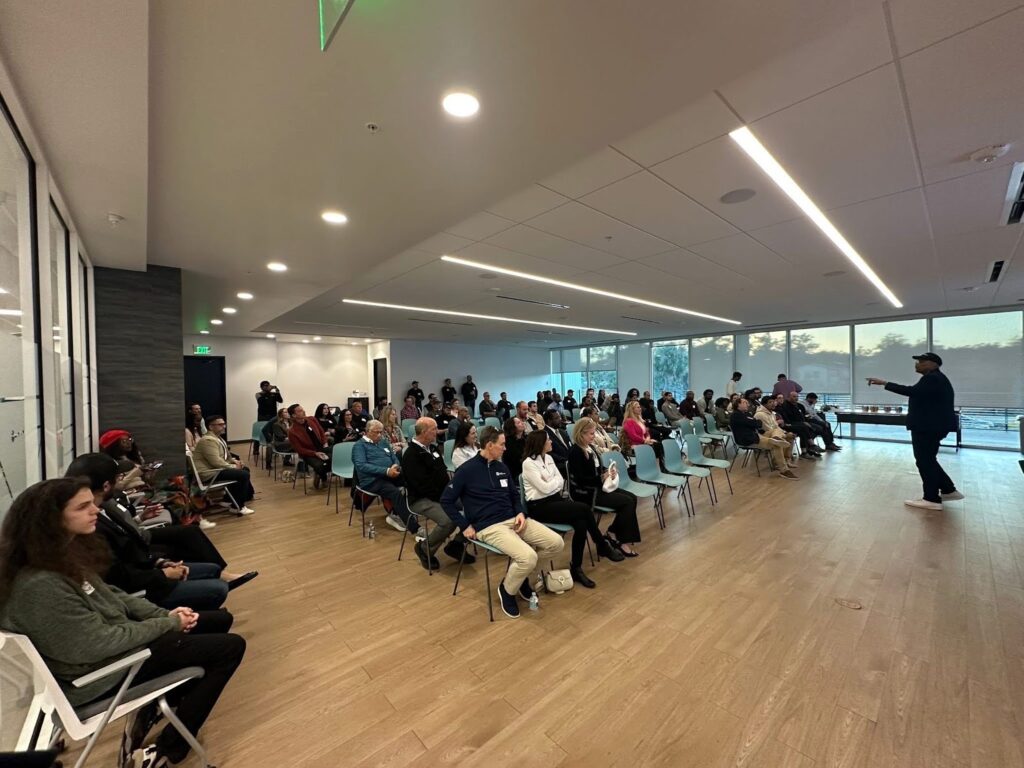
Brian Peret, AI Salon St. Pete/ Tampa and Codeboxx Academy Director speaking to attendees at one of the AI Salon gatherings. Photo taken by Aron Bryce, courtesy of Ai salon Facebook Group
AI Salon St. Petersburg is a local chapter of a global AI community focused on conversations around how artificial intelligence is shaping work and business. The chapter is led by Nicolas Genest, CEO and founder of CodeBoxx, and Brian Peret, Director of CodeBoxx Academy, with support from CodeBoxx and the Tampa Bay Innovation Center. The goal is to create a consistent space where Tampa Bay leaders can share how AI is being used across industries.
While AI Salon highlights how local leaders are coming together around emerging technology, the conversation around artificial intelligence in Tampa Bay extends far beyond a single event, touching workplaces, classrooms, and Tampa Bay’s broader economic trajectory.
A Brookings Institution analysis ranks the Tampa–St. Petersburg–Clearwater area as 36th overall in AI readiness, and places it in the “Emerging Centers” cluster. The Tampa Bay Area is one of 14 nationwide regions seeing strong growth in AI job postings and innovation, with an 88 percent increase in AI job postings. Brookings also places Tampa Bay in the top 25 percent of metros for AI talent and AI adoption, with innovation capacity in the middle tier nationally.
That momentum is reflected in the area’s growing tech economy. Tampa Bay is expected to add more than 3,700 tech jobs by 2027, about 14 percent growth, according to data from Chmura JobsEQ and the Tampa Bay Economic Development Council. The number of IT-related businesses in the area increased from nearly 13,400 in 2017 to almost 17,000 by 2021.
For Peret, AI Salon is designed to move people beyond theory and into application. “We act as a vital access point for the curious to take tangible next steps in their professional careers with artificial intelligence,” he said. “We’re helping our community sort real value from hype and build sustainable businesses locally, instead of watching this market develop elsewhere.”
He said those conversations are already changing how companies move. “In just a few meetings, AI Salon has become the place where founders stress-test their ideas,” Peret said. “That kind of friction saves time, capital, and helps create a more competitive local market.”
Genest said the urgency around AI adoption is tied to how quickly the technology is reshaping work. “AI is transforming our lives and our workforce faster than ever,” he said. “It’s important that people here have a voice in that global conversation, so they can benefit from these tools rather than fall behind.”
With AI increasingly shaping how organizations operate, Genest said the technology presents an opportunity to strengthen the workforce already in place. “AI makes workers more capable and productive,” he said. “When busy work is automated, people have more bandwidth to innovate and improve the quality of what they deliver.”
As AI becomes more integrated across industries, Tampa Bay’s expanding role in the AI economy points to new opportunities for businesses and workers alike. What comes next will depend on how intentionally the region builds the skills, partnerships, and infrastructure needed to keep pace with a rapidly changing tech landscape.
To share news with the Power Broker, connect with reachout@powerbrokermagazine.com. To sign up for our twice-weekly e-newsletter, visit www.powerbrokermagazine.com; and to join our online conversation, subscribe to our YouTube channel at Power Broker Media Group – YouTube.
Brian Peret (center) with guest speakers Nithesh Gudipuri, Associate Director of Technology- Raymond James (left) and John Adams, SVP of AI Architecture-Video Amp, (right) at the February 4 meet up. Photo taken by Aron Bryce, courtesy of Ai salon Facebook Group
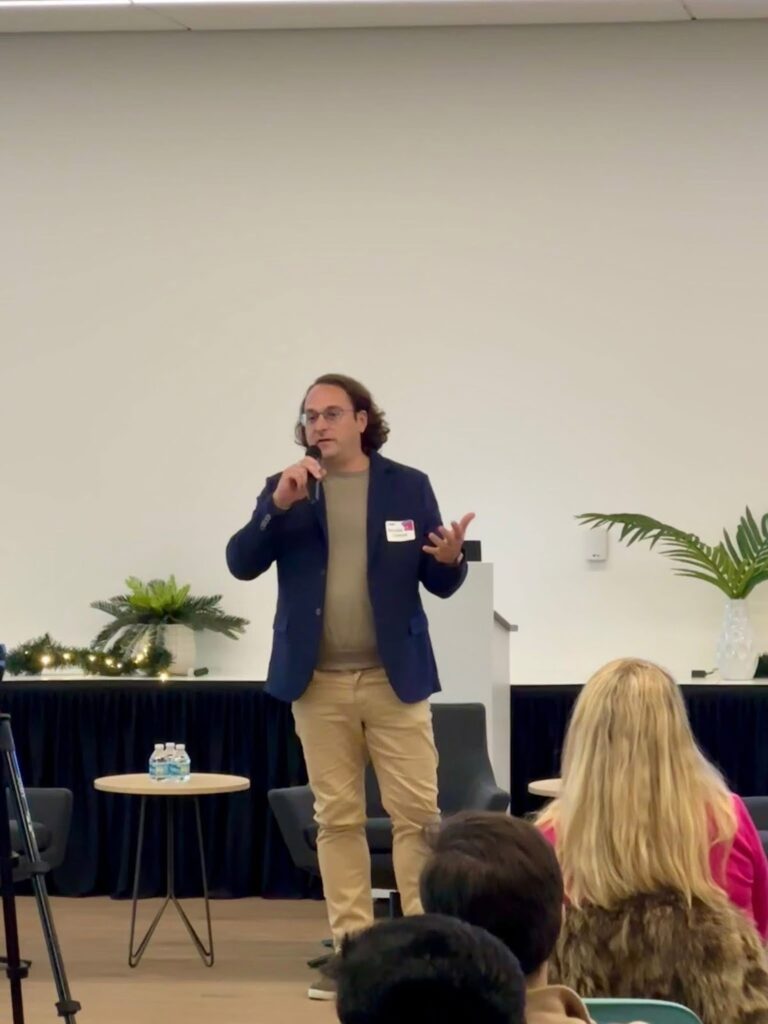
Nicolas Genest speaking to AI salon attendees. Photo taken by Aron Bryce, courtesy of Ai salon Facebook Group


The last project to trigger St. Petersburg’s community benefits process was the Historic Gas Plant District’s redevelopment. Photo: City of St. Petersburg.
Proposed revisions to St. Petersburg’s community benefits process, created to foster more equitable growth, have elicited concerns from city council members.
Standing members of the city’s Community Benefits Advisory Council (CBAC) suggested the changes after the previous two projects they reviewed failed to materialize. The discussion also precedes the Historic Gas Plant District’s impending redevelopment, which Mayor Ken Welch has said will again trigger the process.
Administrators presented several recommended changes to the CBA ordinance at a city council Economic and Workforce Development Committee meeting on Thursday, including changes to the way CBAC members are appointed, the number of CBAC members, the location and background of members, how projects are qualified as subject to the CBA ordinance, and developer reporting procedures.
“Some of the benefit changes that you’re proposing – I’m just not there,” said Councilmember Deborah Figgs-Sanders. “Because it’s taking away, for me, a lot of the community input.”
St. Petersburg established its Community Benefits Program in 2021, under former Mayor Rick Kriseman’s administration, which collaborated with leaders of the New Deal, One Community Plan, Raise the Bar and other community groups to craft an ordinance unanimously approved by city council. Its overarching goal is to ensure that new developments receiving city subsidies provide positive socioeconomic impacts.
A project requesting public assistance – typically land – equal to 15% or more of the total construction cost, would trigger application of the ordinance. The Community Benefits Advisory Council (CBAC) helps determine what developers should provide to receive city approval.
Suggested developer requirements include contracting with small and minority-owned businesses, hiring apprentices and disadvantaged workers, providing affordable or workforce housing, promoting environmental resiliency and sustainability, and supporting public art, health, education, and technology initiatives.
The process has applied to just two projects. In 2022, Atlanta-based developer TPA Group offered $5 million for the 800 block in downtown St. Petersburg to build a 30-story residential tower with 350 market-rate apartments, a 14-story hotel, and a 75,000-square-foot Moffitt Cancer Center.
TPA planned to build 35 affordable and 35 workforce housing units in exchange for a $19 million discount on the land. The CBAC advanced the project. Welch, following unsuccessful negotiations with the developer to increase those numbers, nixed the deal.
A second, more monumental community benefits process ensued when the Tampa Bay Rays sought to redevelop the Historic Gas Plant District and build a new stadium to replace Tropicana Field. The CBAC signed off on that package, as well; however, former team owner Stuart Sternberg walked away from the generational project in March 2025.
“It’s not that the benefits agreement process did not work,” said Councilmember Brandi Gabbard. “It is that other circumstances called those deals not to go through. I just want to be very clear about that – and that is what gives me a lot of pause – because I’m not sold on what’s broken.”
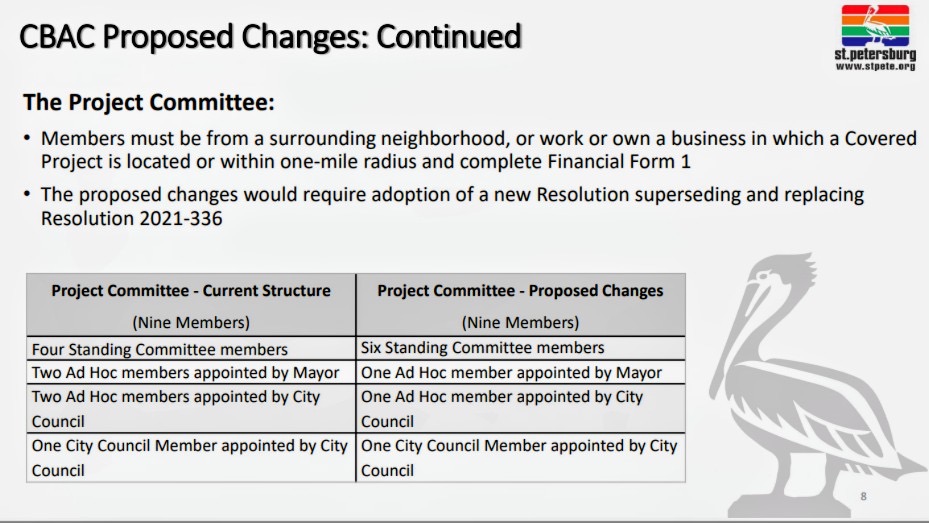
A graphic highlighting key proposed changes to the appointment process. Image: City documents.
The changes
If the proposed ordinance changes are approved, the number of standing CBAC members would increase from four to six, with the mayor and city council each appointing three; and the number of project-specific community members would be reduced from four to two. The new process would encourage but not require appointees representing all eight districts to have related professional expertise.
Figgs-Sanders said the benefits program was meant to align community advocates and professionals. She believes the city should prioritize residents who are “impacted the most” rather than those with experience in the housing, environmental resiliency, art, health, education, or technology industries.
“I kind of see an unintentional removal of some of our community advocates in this process,” Figgs-Sanders said. “If there’s something going on in South St. Pete, I think the majority of the feedback needs to come from South St. Pete.”
Another proposed ordinance change would allow the CBAC and community engagement to begin earlier in the process, once the city “reasonably anticipates” that the project will be subject to the CBA ordinance. Some advocates believe that will come at an unacceptable cost, as the administration also proposed eliminating a Community Impact Report.
Developers must currently submit a Community Impact Report summarizing their inclusion strategies and goals, which triggers the CBAC review process. Figgs-Sanders pushed back against the report’s elimination.
She also noted that the current program is “50% of what we asked for” in 2021, and the changes would further dilute the process. City staff clarified that eliminating the report would not weaken accountability. “We’re not removing any of the opportunities for public input,” said Andrea Falvey, economic and workforce development manager.
City Development Administrator James Corbett stressed that the changes were “simply” recommendations. He also explained that quashing the report would accelerate CBAC participation, and stakeholders would still receive proposed benefit information early in the process.
Councilmember Corey Givens, Jr. agreed with Figgs-Sanders. “If there’s a development that impacts South St. Pete, I don’t think we need more influence from neighborhoods outside of South St. Pete,” he said.
Givens also sought to ensure the “most impacted” areas have a seat at the CBAC table. He asked if the ordinance could legally enforce equal representation.
A city attorney said the council would ultimately decide the board’s makeup, and could request alternative ordinance language. “That is exactly what I’m looking for,” said Givens, who also supported increasing the number of standing CBAC members from four to six.
Gabbard noted she had “way too many concerns” to address in the abbreviated meeting. She said administrators “certainly haven’t answered” whether the revisions would foster additional opportunities for “more voices, or is it even more watered down?”
Members of the Economic and Workforce Development Committee agreed that the proposal warranted additional discussion. They voted to include the full city council at a Committee of the Whole meeting on March 12.
Councilmember Gina Driscoll credited standing CBAC members for providing the recommendations. “They know from doing the work what speed bumps they’ve encountered, and what could be made better,” she said.
“So, I do take these recommendations very seriously,” Driscoll added. “And although we may not ultimately adopt all the recommendations, we’re certainly going to give them the respect that they deserve.”
To share news with the Power Broker, connect with reachout@powerbrokermagazine.com. To sign up for our twice-weekly e-newsletter, visit www.powerbrokermagazine.com; and to join our online conversation, subscribe to our YouTube channel at Power Broker Media Group – YouTube.
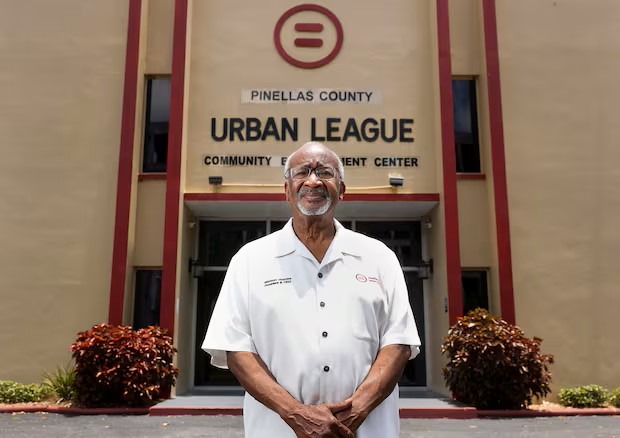
The Haynes Heroes Scholarship was created to honor the life and work of Reverend Watson Haynes, II, and to support students across Pinellas County as they prepare for their next step after high school. Presented by the Pinellas County Urban League, the scholarship reflects Rev. Haynes’ long-standing commitment to education, access, and community growth across Pinellas County.
Rev. Haynes served as President and CEO of the Pinellas County Urban League until his passing in 2022. Throughout his leadership, he pushed for stronger educational pathways, support systems for youth, and community-driven solutions to long-standing inequities. Those values continue through the Haynes Heroes Scholarship, which centers students who have demonstrated leadership, service, and follow-through in their schools and communities.
Valerie Haynes, wife of the late Rev. Watson Haynes, II, reflected on how the scholarship has become a living extension of her husband’s work in the community. “My husband dedicated his life to service, uplifting others, opening doors of opportunity, and reminding people, especially young people, that their circumstances did not define their destiny,” she shared. As she continues to see students recognized through the Haynes Heroes Scholarship, she described the experience as both personal and affirming. “It brings me comfort and pride to know that his life’s work still breathes through the lives of these young scholars. His legacy is not just remembered, it is active, transformative, and growing.”
Each year, graduating seniors in Pinellas County are selected as “Haynes Heroes” and awarded a minimum of $1,500 to support their next step after high school. The selection process looks beyond grades alone, centering students who have shown consistency in the classroom and made an impact in their schools and or communities. Recipients go on to continue their education at colleges, universities, and vocational or technical programs across the country.
Xavier Terrell, a 2025 Haynes Heroes Scholarship recipient, reflected on receiving the award at a moment of transition from high school into college. “Receiving the Haynes Heroes Scholarship at this point in my life meant more than financial support. It was reassurance. It showed me that the hard work I put into school, sports, and serving my community was seen and valued,” Terrell shared.
He added that the support not only eased financial pressure but also reinforced his confidence as he stepped into a new chapter. He has since gone on to attend Claflin University as a first-year student in the Alice Carson Tisdale Honors College, where he is studying cybersecurity and staying active through baseball, Rising Kings, and the National Society of Black Engineers.
Applicants for the Haynes Heroes Scholarship must be high school seniors residing in Pinellas County with a minimum unweighted GPA of 2.5. Students are asked to submit an essay reflecting on how they plan to show up for their communities while carrying forward Rev. Haynes’ values, along with academic records and documentation of involvement and service. Finalists may be invited to interview as part of the selection process.
To be considered, students must submit all application materials by Tuesday, March 3, 2026, at 11:45 PM. Incomplete applications, or submissions received after the deadline, will not be reviewed. All awardees will be notified on or before April 16, 2026, and scholarship recipients will be publicly announced by May 1, 2026.
Through the Haynes Heroes Scholarship, Rev. Watson Haynes’ legacy continues through students who carry forward his belief in education, service, and giving back to the communities that helped shape them.
For students and families interested in learning more about the Haynes Heroes Scholarship or preparing to apply, additional details are available here. Full program information and the application can be accessed directly here.
To share news with the Power Broker, connect with reachout@powerbrokermagazine.com. To sign up for our twice-weekly e-newsletter, visit www.powerbrokermagazine.com; and to join our online conversation, subscribe to our YouTube channel at Power Broker Media Group – YouTube.
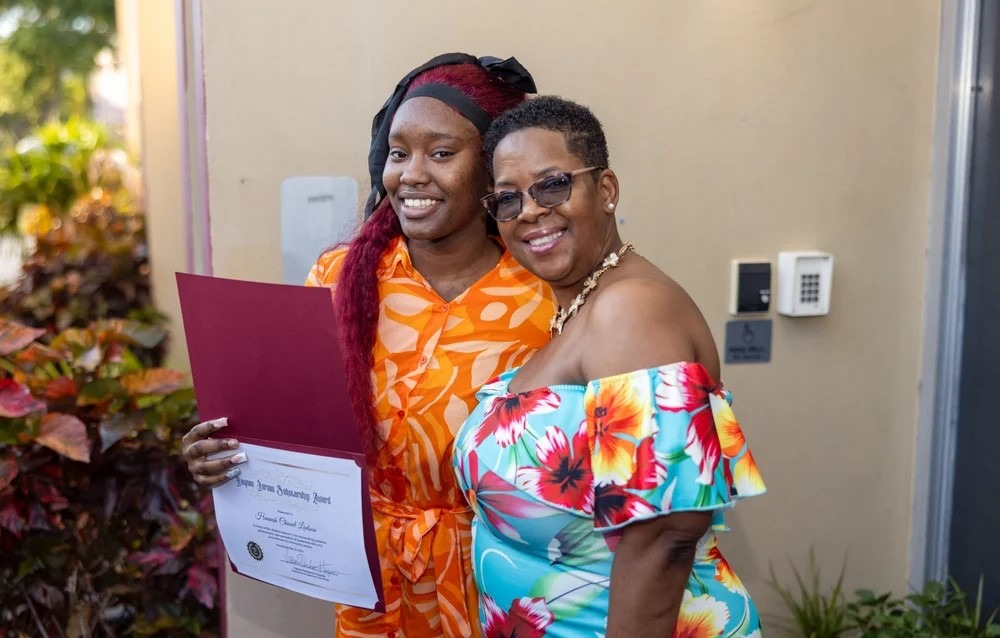
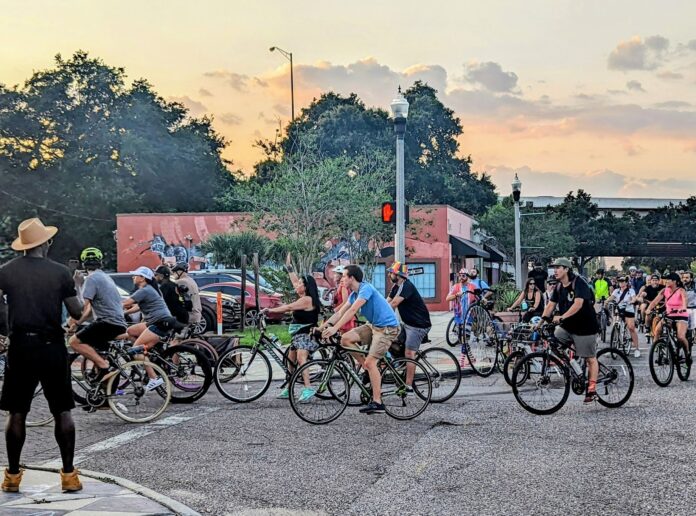
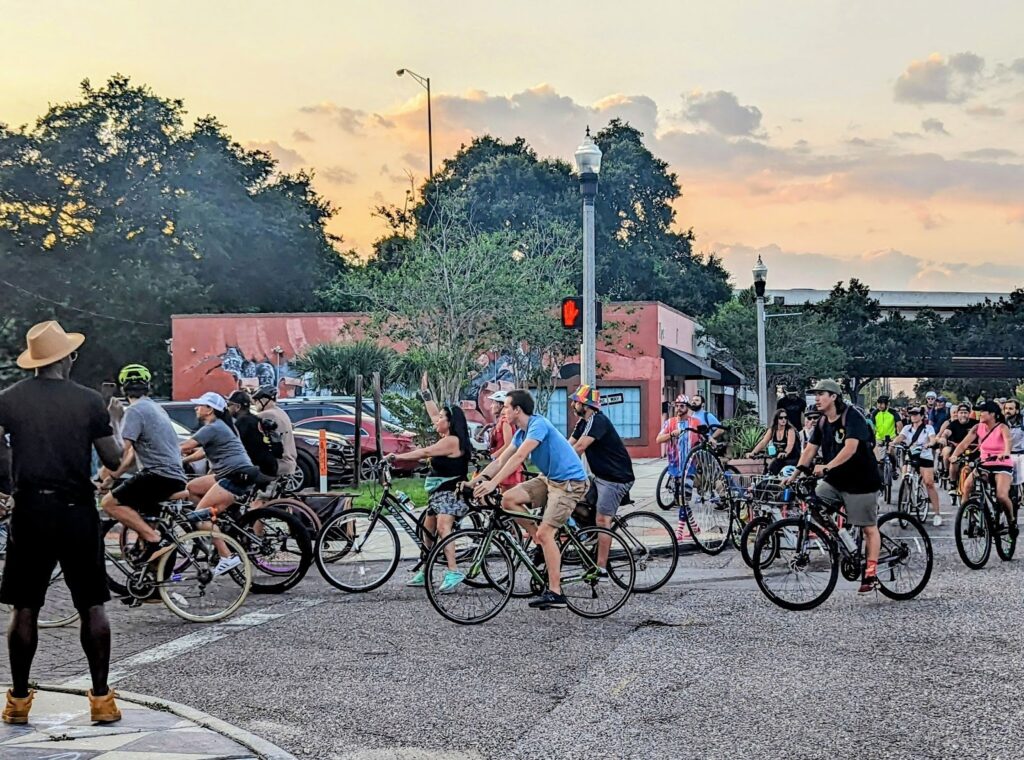
Once implemented, a new study’s recommendations will create more connected, accessible, and vibrant communities within the South St. Petersburg Community Redevelopment Area (CRA).
Pinellas Suncoast Transit Authority (PSTA) officials are now concluding the Connecting South St. Pete CRA study’s final phase. Nicole Dufva, director of planning, provided the agency’s governing board with an update on the initiative on Wednesday.
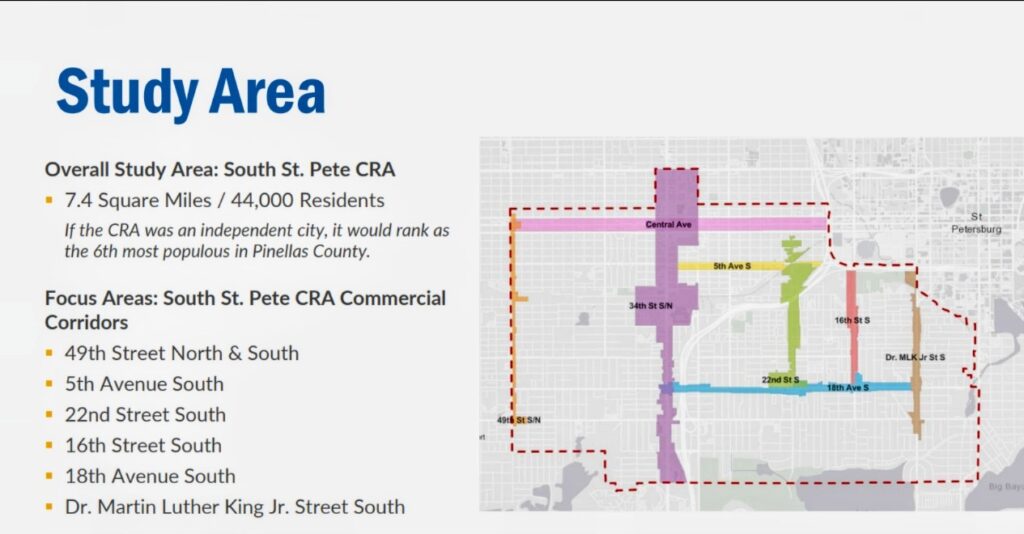
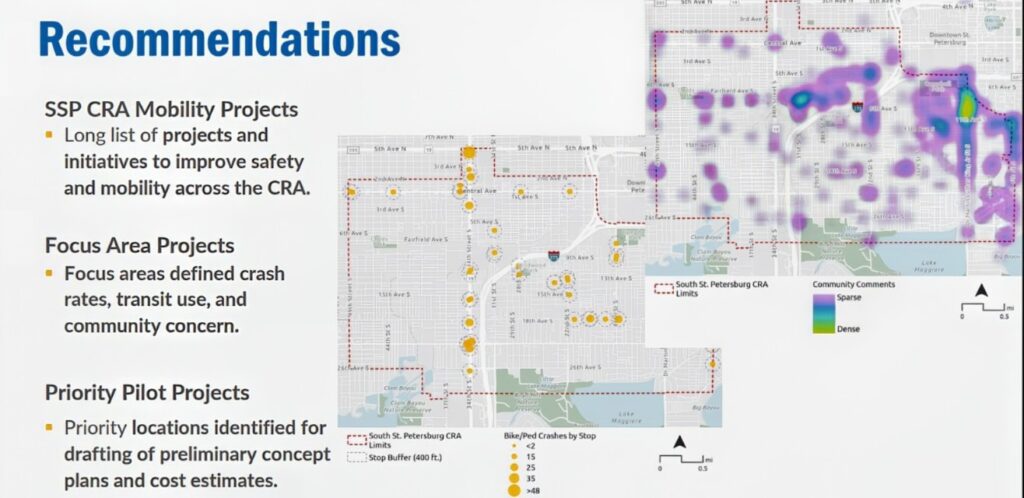
PSTA, the City of St. Petersburg, and residents worked collaboratively to identify over 150 projects that would improve walking, biking, and transit access in Pinellas County’s largest and densest CRA. The study focused on six commercial corridors and, through community feedback and data, pinpointed areas with persistent mobility issues.
“We know that all transit riders are also pedestrians, and they are bicyclists,” Dufva said. “So we know that improving mobility, regardless of mode, is a really important part of increasing transit ridership.”
PSTA received an Areas of Persistent Poverty grant from the Federal Transit Administration in 2023 to fund the study. The city, through CRA tax dollars, and the Florida Department of Transportation provided matching contributions.
Over 35% of CRA residents met federal poverty criteria in 2023, according to PSTA documents. Nearly 50% of households had one or no vehicle.
Dufva explained that PSTA incorporated the South St. Pete commercial corridors program, which launched in 2022 to fund infrastructure improvements and economic development initiatives, into the study. She said stakeholders can now leverage new funding to “actually implement” previously recommended projects.
The study began on a “foundation of robust community engagement,” Dufva said. “We knew it was crucial to listen to our residents and business owners.”
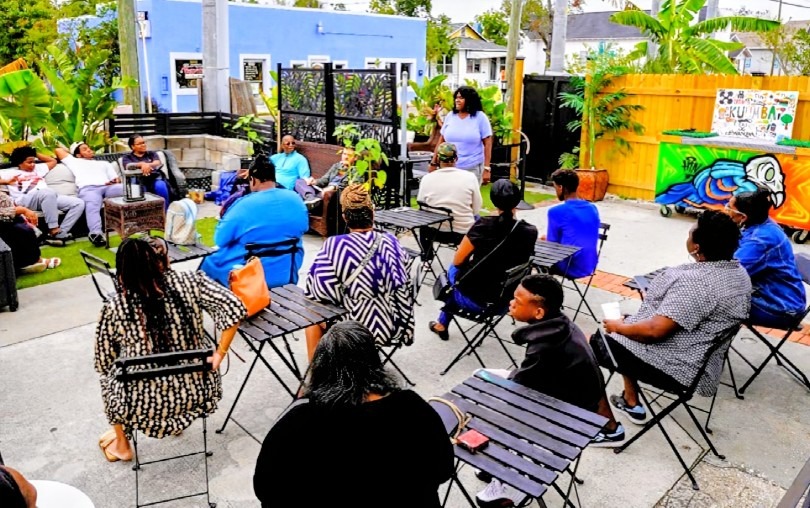
PSTA and the city reached over 300 people during the initial engagement phase, which included listening sessions where stakeholders shared their concerns and challenges. The second phase included several workshops, where participants provided suggestions for improvements to bus stops, shelters, crosswalks, sidewalks, and safety features.
“We also hosted a slew of mobile tours – a bus tour, a bike tour, and a walking tour – so we could see on the ground what people were talking about and experiencing,” she added.
Dufva said “robust participation” in a “critical” survey allowed PSTA to pinpoint problem areas. Compiled data, two additional workshops, and another survey helped inform and prioritize a recommended project list in the third phase.
PSTA also integrated previously planned, unfunded projects. Dufva noted that including those in the study ensures eligibility for CRA and commercial corridor funding.
The commercial corridors studied include 49th Street North and South, 5th Avenue South, 22nd Street South, 16th Street South, 18th Avenue South, and Dr. Martin Luther King Jr. Street South. Dufva called the latter two “very critical areas where we saw a lot of comments and concerns.”
“A piece of the last part of this study was to conduct and provide up to 10% of the design and engineering plans for a handful of concepts,” she said. “That way, they could be ready to hand over to the city, to really kick start that funding to get to construction.”
Cheryl Stacks, parking and transportation manager for St. Petersburg, said the city has $750,000 in the upcoming budget to implement priority projects. The first priority highlighted at the initiative update on Wednesday features curb, crosswalk, and bus shelter improvements around the intersection of 18th Avenue and 21st Street South.
The second priority project includes a proposed mid-block crosswalk with a “pedestrian refuge,” and new bus stops and boarding platforms along Dr. Martin Luther King Jr. Street South, between Jasmine Terrace and 9th Avenue.
Stacks said the city is awaiting final documents from a consultancy firm, and then “working toward a potential staff referral to one of the city council committees.” Support from council members will help administrators align projects with various funding sources and “make progress toward implementation.”
“There’s a fair amount of recommendations that we’ll work through our other funding mechanisms in order to get those accomplished,” Stacks added. “We really appreciate the partnership of PSTA … This was a wonderful experience for me, personally and professionally.”
To share news with the Power Broker, connect with reachout@powerbrokermagazine.com. To sign up for our twice-weekly e-newsletter, visit www.powerbrokermagazine.com; and to join our online conversation, subscribe to our YouTube channel at Power Broker Media Group – YouTube.